Whether you are taking a short domestic flight or a long-haul journey, choosing the right seat can make your trip more comfortable and convenient. The best seat on a plane depends on what matters most to you, whether that is extra legroom, privacy, aisle access, a window view, or being close to the front of the aircraft.
Some seats offer multiple advantages, such as extra legroom, greater privacy, easier aisle access, or better views. Others may come with drawbacks, such as limited recline, reduced under-seat storage, or proximity to lavatories and galleys.
In this guide, we will explain different types of airline seats, their advantages, and disadvantages, and how to choose the best seat based on your travel experience.
What Seat Selection Factors Should You Consider for Picking the Best Seats in the Plane?
Choosing the right airplane seat can make a noticeable difference to your travel experience, particularly on long flights. Before selecting your seats, consider legroom, window views, privacy, aisle access, proximity to lavatories, cabin location, special requirements, turbulence, and how quickly you want to leave the aircraft after landing.
- Legroom: Legroom refers to the space available in front of your seat. Extra legroom makes a significant difference, especially on long-haul flights or for taller passengers. Exit row and some bulkhead seats often provide more legroom, although availability and eligibility vary by aircraft and airline.
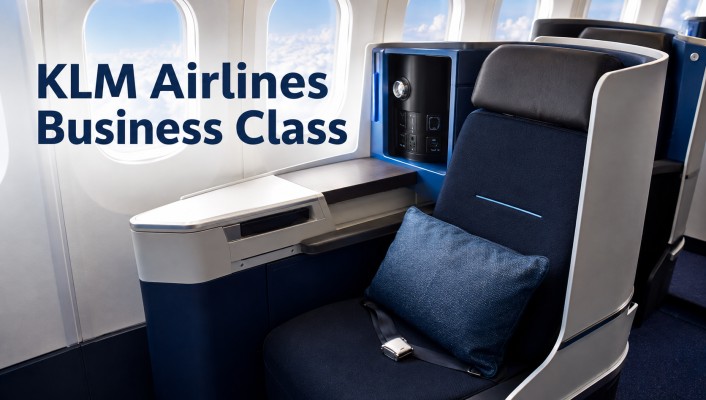
- Privacy: If you prefer a quieter and more private experience, consider a window seat or a seat with additional privacy features. Some premium cabins also offer privacy or enclosed suites. However, privacy levels vary considerably between aircraft and cabin classes.
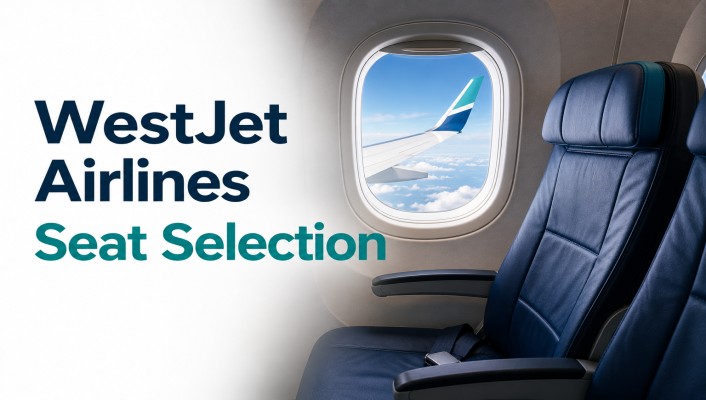
- Window Views: Window seats are ideal if you enjoy looking outside during takeoff, landing, and the flight. Depending on your route, you may see mountains, coastlines, cities, or other scenery.
- Proximity to Lavatories: Sitting near a lavatory can be convenient, especially for passengers who need frequent access. However, these seats can also experience more foot traffic, noise, and activity.
- Emergency Exit: Exit-row seats often provide extra legroom, but they come with specific safety requirements. Passengers seated there must be able to assist during an emergency and meet the airline’s eligibility criteria.
Where is the Best Place to Sit on a Plane?
No single seat is best for every traveler. The ideal location depends on whether you prioritize legroom, privacy, views, easy aisle access, a quieter cabin, or quick exit after landing. Below are some of the most popular seats and what they offer:
Window Seats: Window seats are a popular choice for travelers who enjoy aerial views and greater privacy. You can sit against the side of the aircraft, look outside during the flight, and avoid having passengers walking past you to access the aisle. However, a window seat also has one drawback: you need to ask passengers next to you before getting up during the flight.
Exit Row Seats: Exit row seats are popular because they generally provide extra legroom and more space to stretch. However, they come with specific restrictions and eligibility requirements because passengers seated in these rows may be required to assist during an emergency evacuation.
- Exit row seats may also have limited or no recline, depending on the aircraft configuration.
- They can be noisier because of their proximity to emergency exits and may feel colder on some aircraft.
- If you are considering an exit row seat, you must check the airline’s requirements before selecting it.
Back Seats: Seats towards the rear of the aircraft can have some advantages, but they also come with drawbacks.
- Passengers may experience more noise and foot traffic when sitting next to the lavatories or galleys.
- Some last-row seats may also have limited or no recline because of the wall behind them.
Bulkhead Seats: Bulkhead seats are directly located behind a fixed wall or partition that separates different sections of the aircraft. Because passenger seats sit directly in front of them, these seats can provide extra personal space and easier access to the area in front of you. However, bulk seats also have some disadvantages, such as:
- Underseat storage may be limited.
- Sometimes the tray table and entertainment screen may also be stored in the armrest.
Which is the Safest Place to Sit on a Plane?
No plane seat can be guaranteed to be the safest in every type of accident. Aircraft accidents vary by circumstance, so seat location alone cannot determine whether a passenger will survive. Some historical analyses of accident data have found differences in survival rate between different sections of aircraft. However, treat these statistics as historical observations, not a guarantee that one seat is safer than another.
Rear Cabin: Some analyses of historical aircraft accidents have found that passengers seated toward the rear of the aircraft sometimes had higher survival rates than those seated farther forward. However, results vary significantly by accident, aircraft type, and circumstances, so the rear of the aircraft should not automatically be considered the safest location.
Middle Seats: Middle seats can feel less comfortable because you share the limited space with passengers on both sides. However, in some accident scenarios, sitting between two passengers may provide some physical buffering. This doesn't mean middle seats are universally safer.
Emergency Exits: Exit-row seats are valued primarily for their additional legroom and proximity to an emergency exit. However, passengers sitting in these rows must meet specific eligibility requirements and may be expected to assist during an evacuation. These seats can also have drawbacks, including limited recline, reduced storage, and increased noise or temperature variations depending on their location.
Conclusion
No single seat an best for every traveler. The right choice depends on what you value most during your journey. If you want a scenic view and greater privacy, a window seat may be ideal. If you prioritize easy aisle access, an aisle seat may be more convenient. Passengers seeking extra legroom may prefer an exit-row seat, while bulkhead seats can offer a different mix of space and convenience.
Before choosing a seat, consider the flight duration, aircraft configuration, your personal preferences, and any special requirements. Most importantly, remember that no seat can guarantee safety in an emergency. Choose a seat that offers the best combination of comfort and convenience for you.